
On Wednesday 18 November, the UK delivered a statement to the CCW that International Humanitarian Law was sufficient to respond to the challenges of autonomous weapons systems and AI in weaponry.
In the UK’s view, a legally binding new law has the potential to miss out on some humanitarian harms in its narrowness. The UK delegation noted they did not feel that there were any existing ‘gaps’ that IHL could not cover, avoiding support for a mandate that includes negotiations.
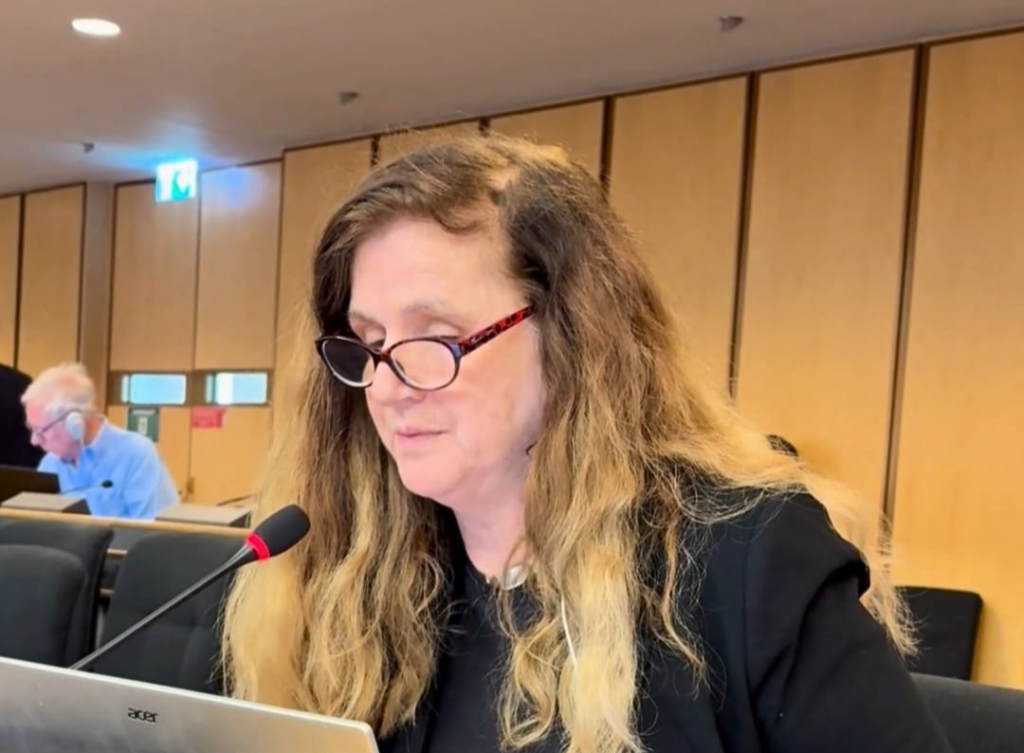
As coordinator of the Stop Killer Robots UK Coalition and member of the Stop Killer Robots Global coalition, UNA-UK made a statement on the floor in immediate response to the UK’s remarks, reminding them that their stance on a legally binding protocol was out of step with both the growing evidence on the harms posed by AI weapons, particularly to civilians, and public opinion in the UK:
The United Kingdom’s intransigence on a legally binding protocol and its related view of international humanitarian law is out of step with the growing body of evidence on AWS harms, but also with the views of its own people. In polling conducted last month 9 in 10 Britons favoured a global treaty controlling autonomous weapons and regarded it as important that their government led on getting it done.
Last week alone the chair of the UK parliament’s joint human rights committee, its largest doctors’ union along with humanitarian medical experts, and church leaders have called for Britain to join the global majority for a legally binding protocol. The British people, like so many of us in this room, want action.
Sophie Radice –
UNA-UK Head of Campaigns, statement to the CCW
The UK’s stance also situates it within the minority who are halting progress. Most states are calling for treaty negotiations to be launched – at the midway point in the conference, 98 states have said they support or are open to a mandate on a new protocol.
In the evening, High Contracting Parties of the CCW met behind closed doors for further consultation away from Observers and Civil Society groups. Those present in the room indicated that the talks followed the pattern of previous days talks with a yawning chasm widening between those that wanted a legally binding agreement, an agreement, or who were against any protocol whatsoever.